There is a quiet paradox that plays out in even the most exquisitely designed homes: the spaces we curate with such care slowly, almost imperceptibly, begin to fill with things we never intended to keep. A stack of magazines on the marble console. Shopping bags that linger in the entryway long past their purpose. A guest room closet that has silently become a storage unit. It happens to everyone, and yet when we finally notice, the weight of it can feel strangely personal, as though we have somehow failed at the simple act of keeping house.
At Swoon Spaces, we have worked inside hundreds of homes across New York City, Los Angeles, and Austin, and we can tell you with absolute certainty: clutter is not a character flaw. It is a natural consequence of living a full, dynamic life without the systems and awareness to match. The accumulation does not happen because you are careless or lazy. It happens because of deeply human patterns that most people never pause to examine. Understanding those patterns is the first and most powerful step toward breaking them permanently.
After years of transforming overwhelmed spaces into serene, functional sanctuaries, we have identified three core reasons why clutter builds up in even the most beautifully designed homes. These are not surface-level observations. They are the root causes we encounter on virtually every project, and once you see them clearly, you will never look at your space the same way again.
Reason One: The Absence of Intentional Systems
The single most common reason clutter accumulates is deceptively simple: there is no designated place for things to go. This is not about lacking storage space. In fact, some of the most cluttered homes we have worked in had an abundance of square footage and closets. The issue is that storage without a system is just empty space waiting to become a dumping ground.
Think of it this way. When you walk through your front door carrying the mail, your keys, your coat, and a coffee cup, where does each of those items land? If the answer involves a countertop, a chair back, or whatever surface happens to be closest, you are experiencing what we call systemic homelessness. Every item without a specific, intuitive home becomes a piece of clutter the moment you set it down.
This is precisely why professional organization is not simply about tidying. It is about architecture. At Swoon Spaces, we design systems the way an interior architect designs a room: every element has a purpose, a position, and a relationship to the flow of daily life. Your keys belong in a specific dish or hook by the door. Your mail passes through a sorting station before it ever touches a counter. Your coat goes directly into a closet where the hangers are accessible and the space is not already overcrowded with jackets from three seasons ago.
"Clutter is not a problem of too many possessions. It is a problem of too few decisions. Every item without an assigned home is a decision you have deferred, and those deferred decisions compound silently until they become overwhelming."
The solution is not to buy more bins and baskets, although beautiful organizational products certainly play a role. The solution is to think critically about the choreography of your daily life and design your home to support it. Where do you drop things when you walk in? Where do you get ready in the morning? Where does paperwork accumulate? Where do the children's belongings migrate throughout the day? Map these patterns, and you have the blueprint for a system that actually works.
The Swoon Approach to Building Systems
When our team enters a home for the first time, we do not start by emptying cabinets. We start by observing. We watch the natural traffic patterns. We ask our clients to walk us through a typical morning, a typical evening, a typical weekend. We want to understand how the home is actually being used, not how it was intended to be used when the floor plan was drawn. From this observation comes a customized organizational architecture that feels effortless to maintain because it aligns with reality rather than fighting against it.
- Entry zones: We create landing stations that accommodate everything you carry in and out of the home, including bags, mail, keys, sunglasses, and seasonal accessories, all within arm's reach of the door.
- Command centers: A designated area for paperwork, schedules, invitations, and important documents prevents the kitchen counter from becoming an administrative battlefield.
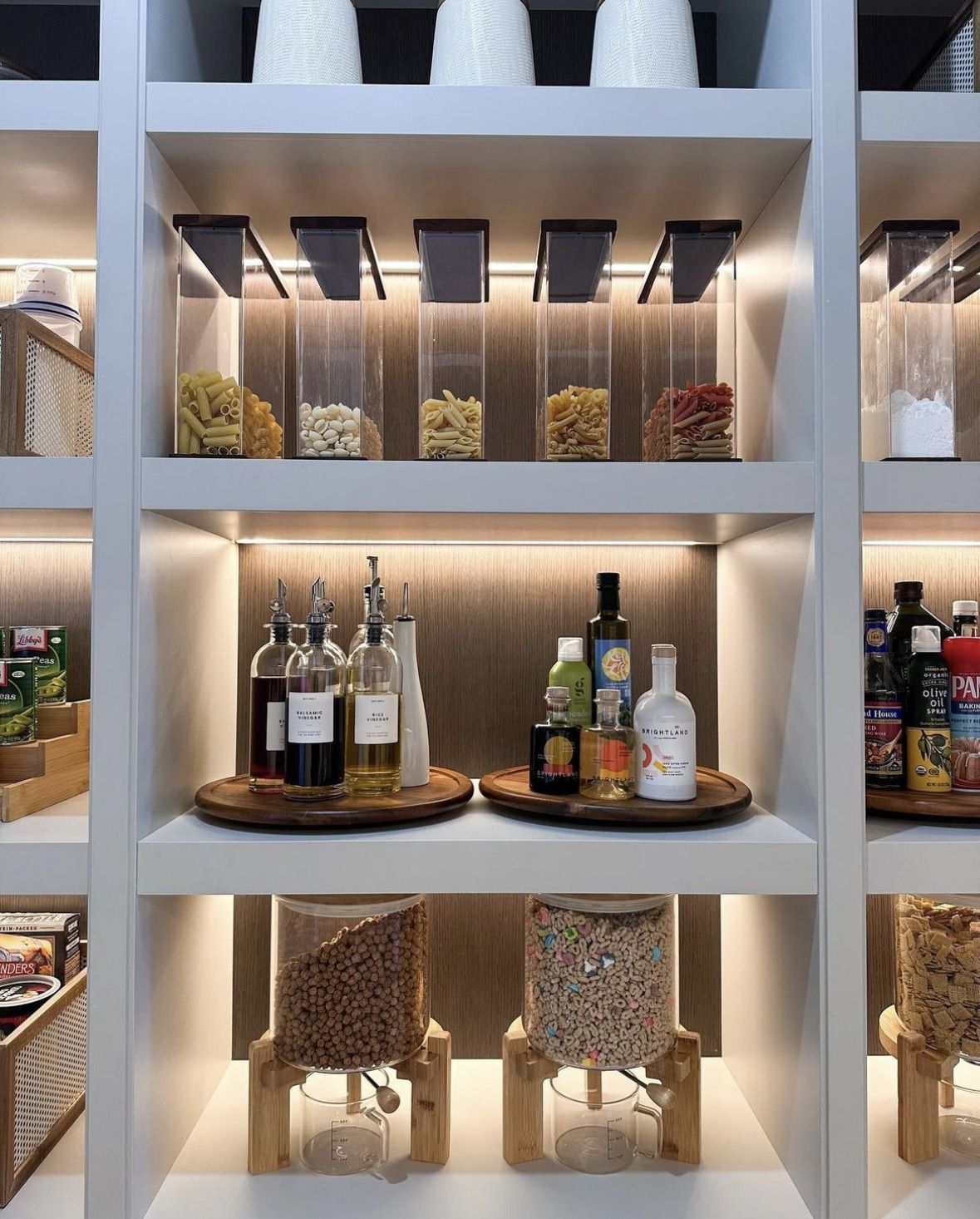
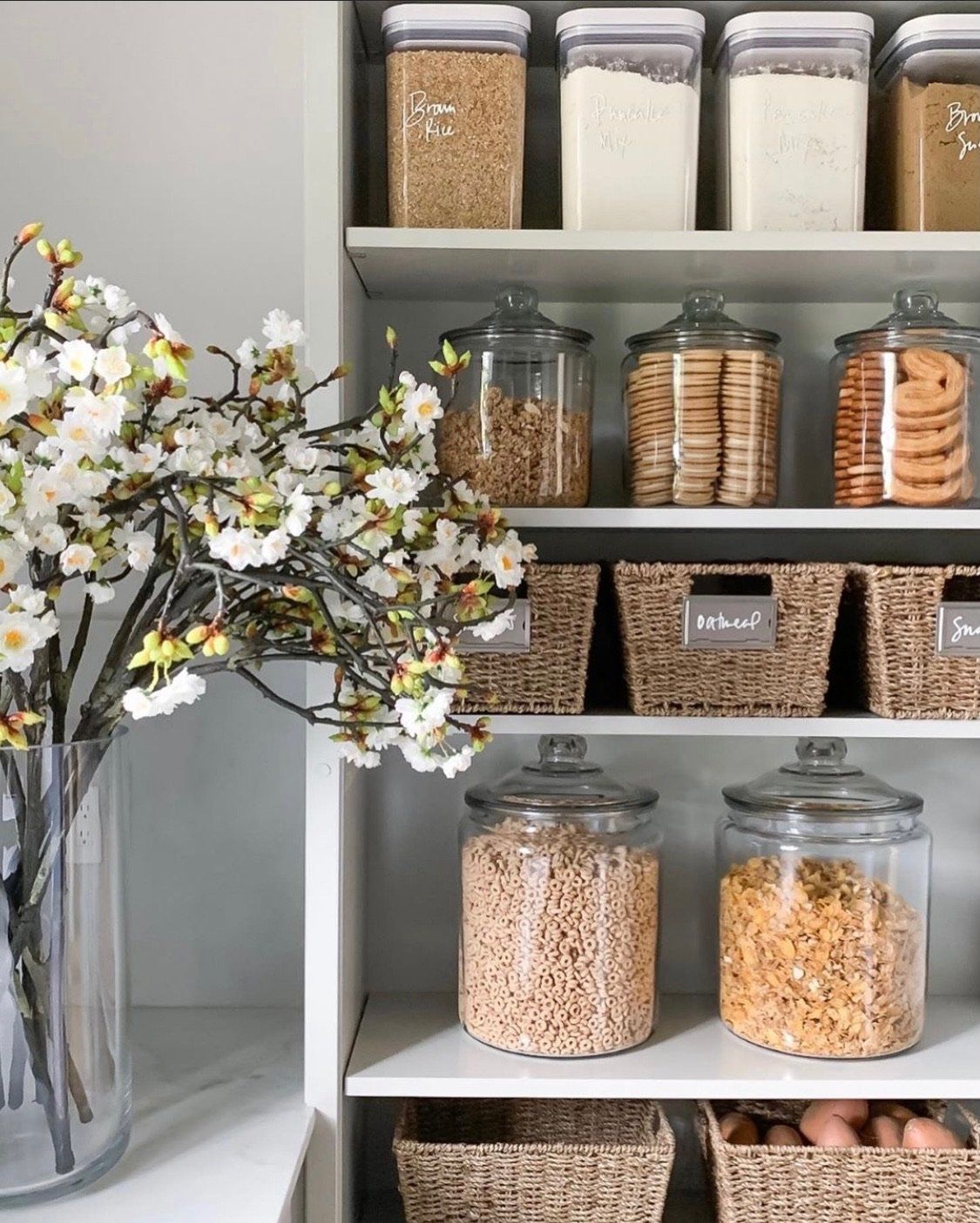
- Room-specific containment: Every room gets its own internal logic. In the bedroom, this means a nightstand that holds only what you need before sleep and upon waking. In the kitchen, it means every drawer and cabinet is zoned by function, not by whatever happened to fit.
Reason Two: Emotional Attachment and the Guilt of Letting Go
If the first reason clutter accumulates is structural, the second is deeply emotional. We are sentimental beings, and our possessions carry far more than their physical weight. They carry memories, aspirations, obligations, and identity. This is beautiful and profoundly human, but it is also the reason most people cannot declutter on their own without hitting an emotional wall.
Consider the items that have been sitting in your closet untouched for years. The designer dress from a milestone birthday that no longer fits but cost a small fortune. The box of your children's artwork from preschool through elementary school. The crystal vase from your wedding registry that you have never once used but cannot imagine donating because it was a gift from someone you love. These items are not clutter in the traditional sense. They are emotional artifacts, and they require a completely different approach than expired spices or duplicate phone chargers.
What we have learned at Swoon Spaces is that the guilt of letting go is almost always rooted in a misunderstanding. People believe that releasing an object means releasing the memory, the relationship, or the version of themselves that the object represents. It does not. The memory lives within you, not within the object. The relationship endures whether or not you keep the vase. And the person you were when you wore that dress is already beautifully woven into who you have become.
"Holding onto something out of guilt does not honor the person who gave it to you. It simply transforms a gesture of love into a source of daily weight. The most respectful thing you can do with an unused gift is to give it a life where it will be truly cherished."
Strategies for Navigating Emotional Clutter
We have developed a compassionate framework for working through emotionally charged possessions, one that honors the feelings while still creating forward momentum. Here is what we recommend:
- The memory preservation method: For sentimental items you cannot bear to part with but do not need to physically keep, take a beautiful photograph. Create a digital album or a small, curated memory box that holds the essence of what matters without occupying an entire closet shelf. One carefully chosen piece of children's artwork, framed and displayed, carries more emotional resonance than a box of hundreds gathering dust.
- The gratitude release: Before letting go of a gift or meaningful purchase, take a moment to hold it and appreciate what it represented. Thank it, genuinely, for its role in your life. This small ritual, which may sound unusual but is remarkably effective, allows you to honor the sentiment while releasing the physical burden.
- The one-year honest test: For items you are unsure about, place them in a sealed, labeled box with a date one year from today. If you have not opened the box or needed anything inside it by that date, donate the entire box unopened. This removes the pressure of making an immediate decision and provides clear, objective evidence of what you truly need.
- Seek compassionate support: There is a reason our clients often describe working with our team as therapeutic. Having a nonjudgmental, experienced partner in the process gives you permission to feel what you feel while still making progress. You do not have to do this alone.
Reason Three: The Invisible Creep of Consumption
The third reason clutter accumulates is perhaps the most insidious because it operates almost entirely below the level of conscious awareness. We live in an era of unprecedented convenience. With a single tap, a package arrives at your door within hours. Subscription boxes deliver new products monthly. Sales and promotions create urgency where none exists. And social media serves as a relentless engine of aspiration, convincing us that the next purchase will bring us closer to the life we see curated in someone else's feed.
This is not a moral judgment. We are not suggesting you stop shopping or deny yourself beautiful things. At Swoon Spaces, we are passionate admirers of thoughtfully designed objects and luxurious materials. The issue is not consumption itself but unconscious consumption, the kind that happens on autopilot, driven by habit, impulse, or the fleeting dopamine rush of something new.
Here is the mathematics that most people never consider: if you bring one new item into your home every day, whether it is a piece of clothing, a kitchen gadget, a decorative object, or a children's toy, and nothing leaves, you will have added 365 items to your home by the end of the year. Over five years, that is nearly two thousand objects competing for space, attention, and mental energy. The accumulation is not dramatic enough to notice day by day, but its cumulative effect is transformative, and not in a way that serves you.
Cultivating Conscious Consumption
The antidote to the invisible creep is not deprivation. It is intentionality. It is pausing before a purchase to ask not "Do I want this?" but "Does this have a home in my life? Will it add genuine value, or will it become another item I manage, clean around, and eventually feel guilty about letting go of?" This shift from reactive to intentional consumption is one of the most powerful changes our clients make, and many describe it as liberating rather than restrictive.
- The 48-hour rule: For any non-essential purchase, wait 48 hours before committing. If you still want it after two days of normal life, it is likely a considered choice rather than an impulse. You will be surprised by how many items lose their urgency once the initial excitement fades.
- One in, one out: Adopt the principle that every new item entering your home means one comparable item must leave. This is not about sacrifice. It is about maintaining equilibrium. When you know that buying a new sweater means releasing one you no longer love, you become far more discerning about what earns a place in your wardrobe.
- Curate, do not accumulate: Approach your home the way a gallery curator approaches an exhibition. Every piece should be there for a reason, whether functional or aesthetic. If something does not contribute to the beauty or utility of a space, it does not belong. This mindset transforms shopping from casual acquisition into thoughtful curation.
- Audit your subscriptions: Review every subscription service, from meal kits to beauty boxes to Amazon recurring orders. Each one is a pipeline of possessions entering your home on autopilot. Cancel anything that is not actively and measurably improving your life.
"The most beautifully organized home is not the one with the most storage. It is the one where every object has earned its place, where nothing exists out of obligation, and where the space itself feels like a breath of fresh air."
Breaking the Cycle: A Holistic Approach
Understanding why clutter accumulates is essential, but understanding alone does not transform a space. What transforms a space is action, and specifically, the kind of thoughtful, systematic action that addresses all three root causes simultaneously. At Swoon Spaces, our most successful projects are the ones where clients commit not just to a one-time declutter but to a fundamental shift in how they relate to their possessions and their home.
This means building systems that make organization effortless. It means developing the emotional resilience to release what no longer serves you. And it means cultivating the awareness to consume with intention rather than impulse. When all three of these elements come together, the result is not just a tidy home. It is a home that feels lighter, calmer, and infinitely more luxurious, not because of what it contains, but because of the spaciousness and intentionality that define it.
We have watched this transformation unfold in penthouses on the Upper East Side, in sprawling homes in the Hollywood Hills, and in charming bungalows in Austin. The details differ, but the feeling is universal. There is a particular quality of stillness that emerges when a home is truly, thoughtfully organized. It is not sterile or minimal for the sake of being minimal. It is warm, personal, and alive, but every element within it is there by choice rather than by accident.
Your Space Deserves Better. So Do You.
If you recognized yourself in any of the three reasons above, know that you are in excellent company. The most accomplished, creative, and sophisticated people we know struggle with clutter precisely because they live rich, full lives. The accumulation is not a reflection of who you are. It is simply a signal that your home needs the same level of thoughtful design as every other area of your life.
Whether you choose to tackle this on your own or invite our team to guide the process, the most important thing is to begin. Start with one drawer, one closet, one corner of one room. Build a system for it. Release what does not serve you. And notice how the simple act of creating order in a small space sends ripples of calm through everything else. That feeling is not just satisfying. It is addictive, in the very best way.