There is a moment that nearly every one of our clients describes, usually in the first five minutes of our initial consultation. It is the moment they looked around their home and felt a wave of paralysis. The closets were overflowing, the kitchen drawers resisted closing, the guest room had become a repository for everything without a place. They knew something had to change, but the sheer scale of it all felt impossible. If this sounds familiar, you are not alone, and more importantly, you are not failing. You are simply experiencing what happens when life moves faster than our spaces can keep up with.
At Swoon Spaces, we have spent years helping clients in New York City, Los Angeles, and Austin navigate this exact feeling. And here is what we have learned: the overwhelm is never really about the stuff. It is about not knowing where to begin, not having a clear process, and not giving yourself permission to take it slowly. Organization does not have to be an all-or-nothing marathon. It can be a thoughtful, even enjoyable, journey toward a home that finally feels like it is working with you rather than against you.
Why Organizing Feels So Overwhelming in the First Place
Before we talk about solutions, it helps to understand why organizing triggers such intense resistance. For most people, the overwhelm stems from three converging factors: decision fatigue, emotional attachment, and the absence of a clear system.
Every item in your home represents a micro-decision. Keep it or let it go. Store it here or there. Does it spark joy, serve a function, or merely occupy space out of guilt? Multiply that by the hundreds or thousands of objects in a typical home, and it becomes clear why your brain wants to shut down before you even open the first drawer. Add to this the emotional weight that many possessions carry, the gift from a loved one, the aspirational purchase that represents who you wished you were, the children's artwork that captures a fleeting moment, and the process becomes not just logistically complex but psychologically taxing.
"Organization is not about perfection. It is about creating an environment that supports the life you are actually living right now, not the life you lived five years ago or the one you imagine living someday."
The Swoon Spaces Philosophy: Start Small, Think Big
Our approach to overwhelm-free organizing is built on a simple but powerful principle: start with the smallest space that will give you the greatest sense of accomplishment. We call this the momentum method, and it works because it replaces the daunting vision of an entire home transformation with something tangible and achievable within a single afternoon.
For many of our clients, this starting point is a single drawer, a bathroom vanity, or a coat closet. These are spaces small enough to complete in an hour or two, yet impactful enough that you will feel the difference immediately every time you walk past or reach for something. That feeling of calm competence is what fuels the motivation to tackle the next space, and the next one after that.
Choose Your First Project Wisely
Not all organizing projects are created equal when it comes to building momentum. We recommend beginning with a space that meets three criteria:
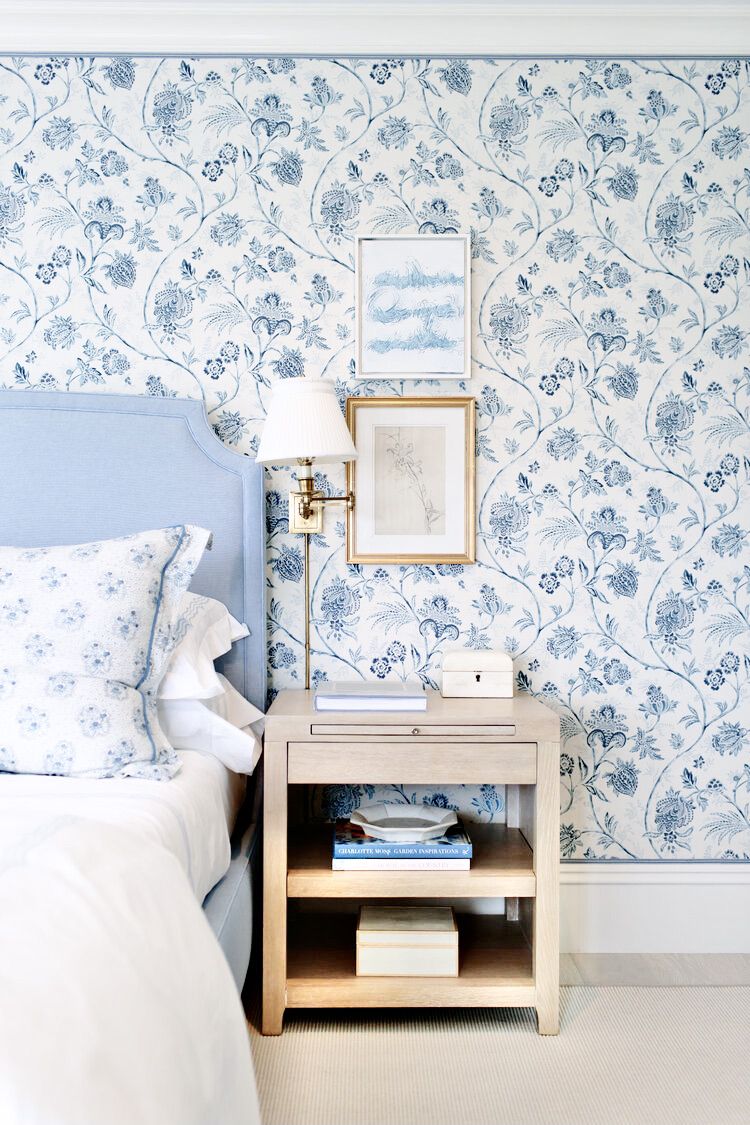
- High visibility: Choose somewhere you see and interact with daily, such as an entryway console, a kitchen counter, or your nightstand. The constant visual reminder of your progress reinforces the positive change.
- Low emotional complexity: Avoid starting with sentimental items, family photos, or children's keepsakes. Begin with functional spaces where decisions are more straightforward, like expired pantry items or duplicate cleaning supplies.
- Achievable scope: Your first project should be completable in one to two hours. A linen closet, a junk drawer, or a bathroom cabinet are ideal starting points that deliver visible results quickly.
The Four-Phase Approach to Stress-Free Decluttering
Once you have selected your starting space, follow our four-phase approach. This is the same framework our team uses on every project, from a studio apartment refresh to a full brownstone overhaul, and it works because it breaks the process into distinct, manageable stages.
Phase One: Remove Everything
Take every single item out of the space. Yes, every item. This step is essential because it forces you to see the true volume of what you own and gives you a clean slate to work with. Lay everything out on a bed, table, or clean section of floor where you can see it all at once. This visual confrontation, while sometimes startling, is one of the most powerful catalysts for change.
Phase Two: Sort With Intention
Create four categories for every item: keep, donate, relocate, and discard. The keep pile is for items you use regularly and that belong in this particular space. Donate includes anything in good condition that no longer serves you. Relocate is for items that you want to keep but that belong elsewhere in your home. Discard is reserved for broken, expired, or damaged items that have no further life.
Move through this phase quickly and trust your instincts. If you find yourself deliberating over a single item for more than thirty seconds, set it aside in a "decide later" pile. The goal is to maintain momentum, not to agonize over every decision.
Phase Three: Design the System
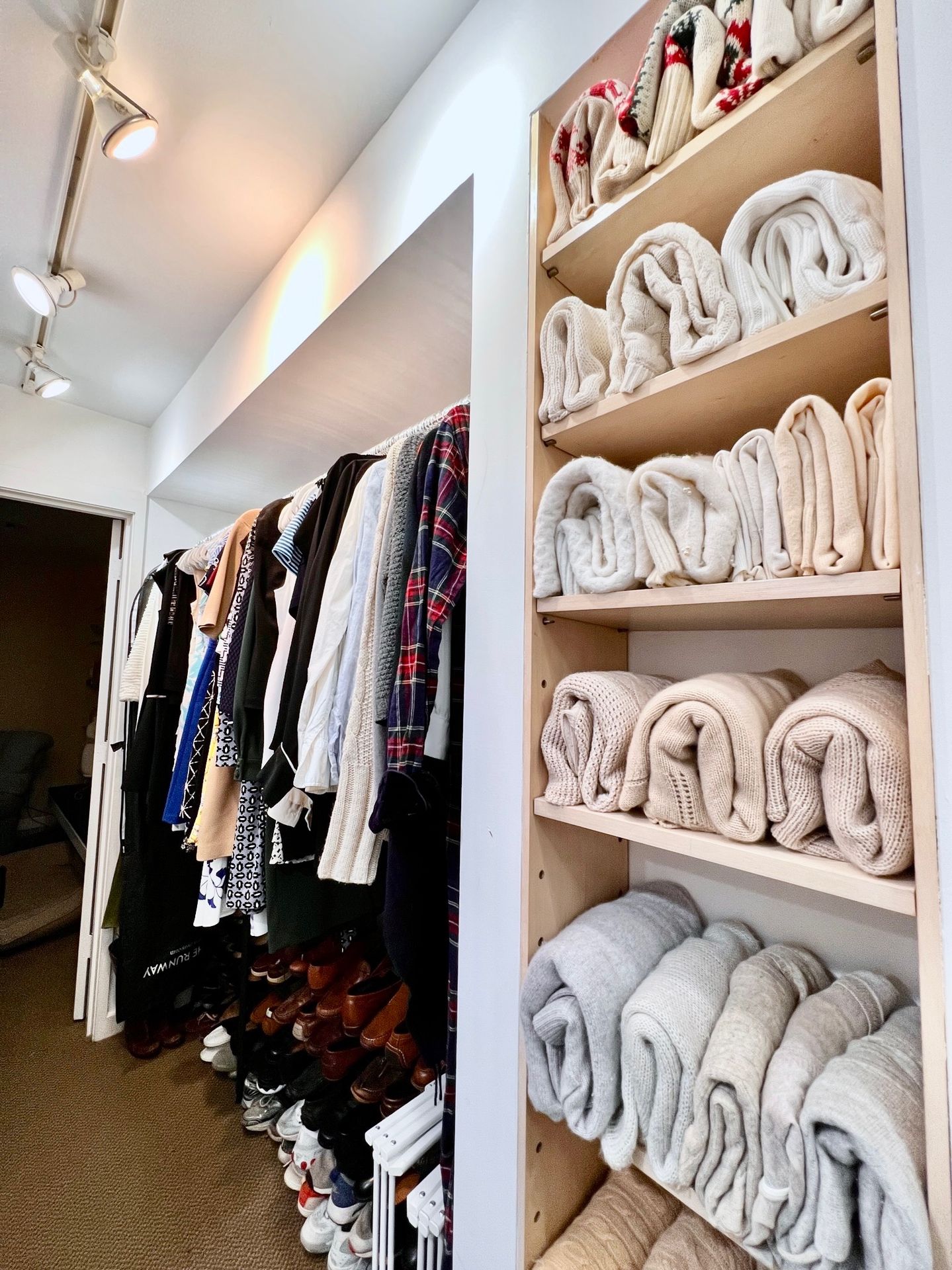
With only the keep items remaining, think carefully about how to arrange them. Group similar items together and assign each group a specific home within the space. Consider frequency of use: daily essentials belong at eye level and within easy reach, while occasional items can live on higher shelves or in the back of cabinets.
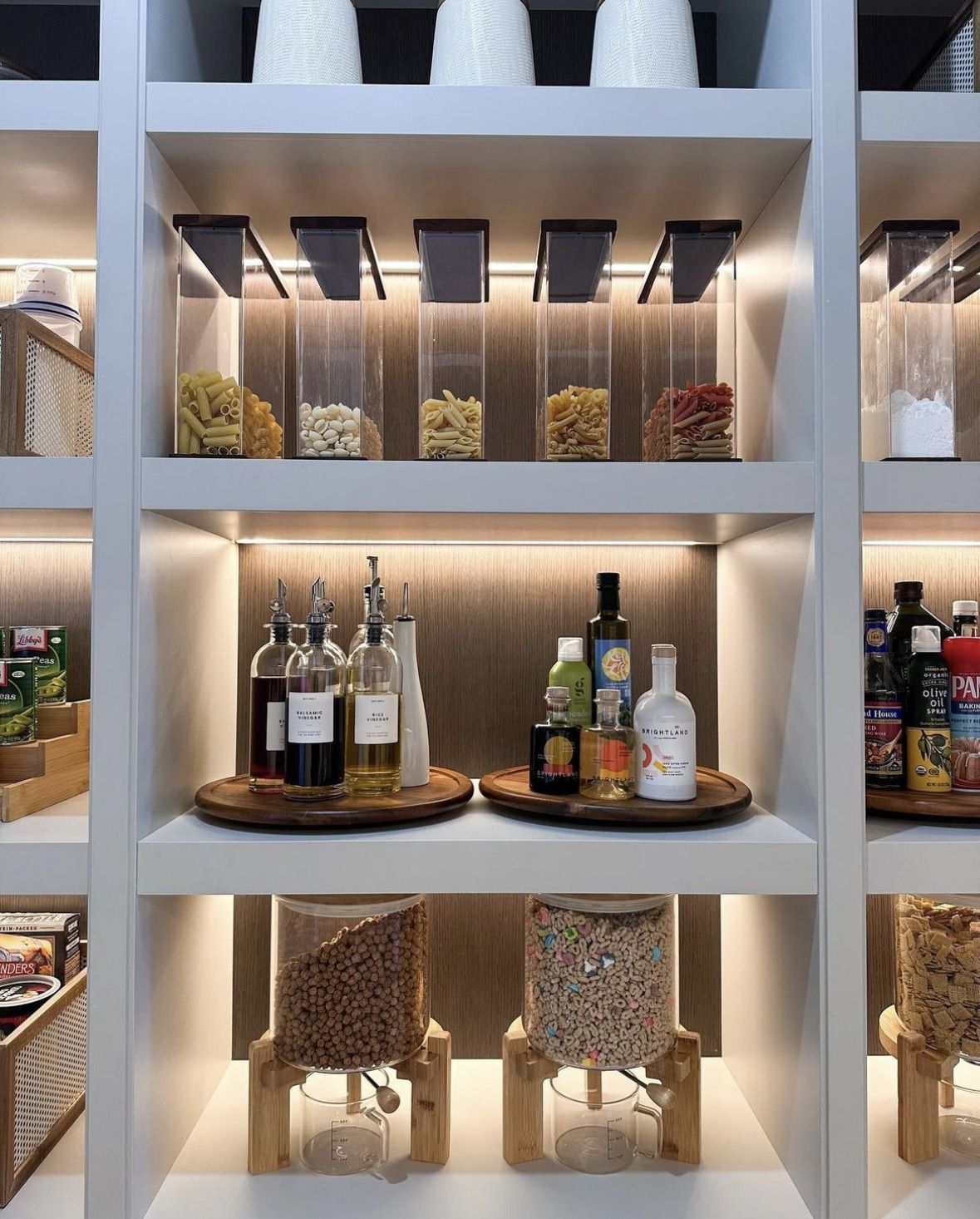
This is where investing in quality organizational products makes a meaningful difference. Well-designed bins, dividers, and containers do not just look beautiful; they create boundaries that make it effortless to maintain order over time. We favor products in natural materials, clear acrylic, or matte finishes that complement a space rather than cluttering it visually.
Phase Four: Maintain With Simple Habits
The most beautifully organized space in the world will revert to chaos without maintenance habits. The good news is that maintaining an organized space requires far less effort than creating one. Our two most effective maintenance strategies are the one-in-one-out rule, where every new item that enters your home means one existing item leaves, and the nightly five-minute reset, where you spend a few minutes each evening returning items to their designated homes.
"The secret to a home that stays organized is not discipline. It is designing systems so intuitive that putting things away requires less effort than leaving them out."
Mindset Shifts That Change Everything
Beyond the practical steps, there are several mindset shifts that our most successful clients embrace early in the process. These mental reframes can make the difference between an organizing project that stalls after one weekend and one that transforms your entire relationship with your home.
- Progress over perfection: Your home does not need to look like a magazine spread. It needs to function beautifully for the people who live in it. Let go of the idea that every drawer must be Instagram-worthy and focus instead on whether your systems are working for your daily life.
- Permission to let go: Keeping something out of guilt does not honor the person who gave it to you or the money you spent. It simply adds weight to your daily experience. Giving an unused item a new life through donation is a generous act, not a wasteful one.
- Patience with the process: A home that took years to accumulate clutter will not be transformed in a single weekend. Give yourself grace and recognize that every small step forward is meaningful. Even one organized drawer is a victory worth celebrating.
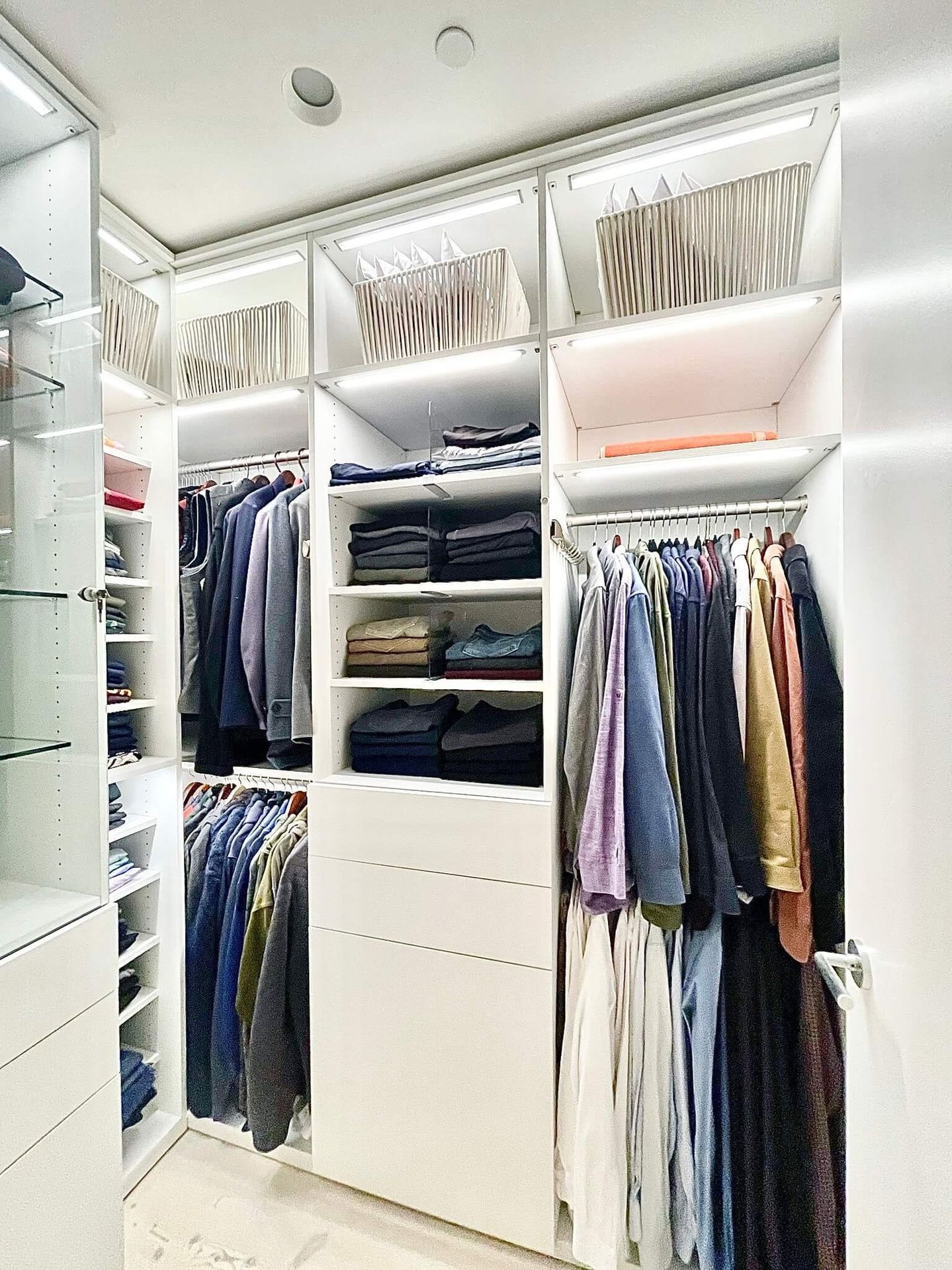
- Invest in what matters: Quality organizational solutions are not an expense; they are an investment in your daily quality of life. A well-designed closet system or kitchen organizer saves you minutes every day, and those minutes compound into hours of reclaimed peace over the course of a year.
When to Bring in Professional Help
There is absolutely no shame in recognizing that you need support. In fact, knowing when to ask for help is one of the most productive decisions you can make. Professional organizers bring not only expertise and efficiency but also the emotional objectivity that is nearly impossible to maintain when sorting through your own belongings.
We often find that clients who have been stuck for months or even years can move through an entire room in a single day with our team by their side. There is something profoundly liberating about having a compassionate, nonjudgmental partner in the process, someone who can gently ask the right questions and help you see your space with fresh eyes.
At Swoon Spaces, our full-service approach means we handle everything: the planning, the product sourcing, the hands-on organizing, and the final styling. Our clients frequently tell us that the experience felt less like a chore and more like a gift they gave themselves. And that is exactly how it should feel. Your home is your sanctuary, and the process of creating order within it should be just as nurturing as the result.
Your First Step Starts Now
If you have been putting off organizing because the thought of it feels too big, here is your permission to start impossibly small. Open one drawer tonight. Remove everything, keep only what belongs, and arrange it with care. Notice how it feels to open that drawer tomorrow morning. Let that feeling be the spark that carries you forward, one space at a time, without overwhelm and entirely on your own terms.